
Introduction:
Do you want to take care of small health problems in a natural way? Do you want to know which herb is good for which problem? Then this guide is for you. Here you will find a simple herbal remedies list with uses that you can follow at home.
Herbs have been part of daily life for thousands of years. Our grandmothers used them for cough, stomach pain, skin problems, and many other small troubles. Today, people are coming back to these natural ways. That is why a clear herbal remedies list with uses is so important for every family.https://harbelremedies.com/10-most-powerful-herbs/
Why this Topic is Close to My Heart:
Even today , many diseases in our homes are still treated with these old herbs that we have forgotten. I remember my mother always used to give saunf and ajwain water for stomach pain and it worked like magic.So form my own experience , I am sharing this Herbal Remedies list with uses.
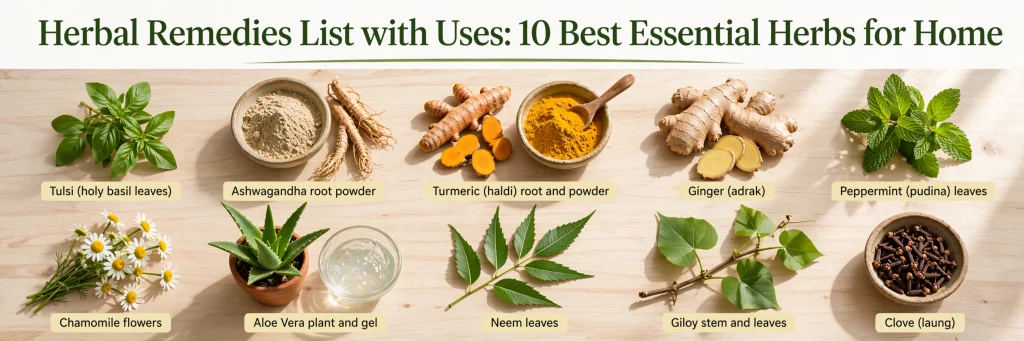
In this article, you will learn about 10 best herbs: Tulsi, Ashwagandha, Turmeric, Ginger, Peppermint, Chamomile, Aloe Vera, Neem, Giloy, and Clove. Each herb has its own benefits, easy ways to use, and safety tips. This herbal remedies list with uses is written in very simple words, so everyone can understand it.https://herbalreality.com/
What Are Herbal Remedies?
Herbal remedies are natural treatments made from plants. They can be made from leaves, roots, seeds, flowers, bark, or even the whole plant. People drink them as tea, apply them on the skin, add them to food, or use them as oil.
Herbs are not the same as strong medicines. They work slowly and gently. They support your body and help it take care of itself. They are best for small, everyday problems like a mild cough, gas, dry skin, or trouble relaxing.https://harbelremedies.com/2026/10/08/seabuckthorn-of-gilgit-baltistan/
Before we go to our herbal remedies list with uses, remember one important thing. Herbs are helpers, not a replacement for a doctor. If you have a serious illness, a high fever, or a pain that does not go away, please see a doctor first.
Why Every Home Needs a Herbal Remedies List with Uses:
There are many good reasons to keep a herbal remedies list with uses at home:
- Easy to find: Most herbs are available in your kitchen, garden, or local market.
- Low cost: Herbs are much cheaper than many other products.
- Simple to use: You can make tea, paste, or oil in a few minutes.
- Natural choice: Herbs have fewer chemicals in your daily routine.
- Part of our culture: Herbal care has been passed from one generation to the next.
- Good for the whole family: With the right care, many herbs can be used by most adults.
A written herbal remedies list with uses also saves your time. You do not need to search again and again when someone at home has a cough, a stomach ache, or a headache. You just open your list and choose the right herb.

Herbal Remedies List with Uses: The 10 Best Herbs:
1. Tulsi (Holy Basil)
Tulsi is the first herb in our herbal remedies list with uses. In many countries it is called the “queen of herbs.” People grow it in their homes and use its leaves every day. Tulsi has a sweet and slightly spicy smell.my grandmother used to make tulsi kehwa for nazla. I have used tulsi myself, every morning in winter I make a tea with 4,5 fresh tulsi leaves , and honestly it keeps my family safe from cold and caugh.herbal remedies list with uses
Common uses:
- Cough and cold: Tulsi tea is a very old home remedy for cough, sore throat, and blocked nose.
- Stress and calm mind: Many people drink tulsi tea to feel calm and relaxed.
- Daily wellness: It is used to support the natural defense of the body.
- Fresh breath: Chewing a few fresh leaves can freshen the mouth.
- Seasonal changes: People drink warm tulsi drinks when the weather changes.
How to use:
- Tulsi tea: Boil 6 to 8 fresh leaves in one cup of water for 5 minutes. Strain it and add a little honey.
- Tulsi and ginger drink: Boil tulsi leaves with a small piece of ginger. Drink it warm when you have a cough.
Care: Pregnant and breastfeeding women should ask a doctor first. People who take blood-thinning medicine or diabetes medicine should also ask for advice.
2. Ashwagandha
Ashwagandha is a very famous root in the herbal remedies list with uses. It has been used for a very long time in traditional care. People know it as a herb that supports the body during stress and tiredness.it is very best supportive herb for disease.
Common uses:
- Stress support: Many people use ashwagandha to feel calmer during a busy life.
- Better sleep: It is used in the evening by people who feel restless at night.
- Energy and strength: It is used to support energy in daily life.
- Focus: Some people use it to support a clear and active mind.
How to use:
- Ashwagandha milk: Add half a teaspoon of ashwagandha powder to a glass of warm milk. Drink it at night.
- Ashwagandha tea: Boil a small amount of powder or dry root in water for 10 minutes. Strain and drink.https://harbelremedies.com/
Care: Start with a very small amount. Pregnant women should not use it. People with thyroid problems, or people who take medicine for sleep, blood pressure, or diabetes, must ask a doctor first. Do not use it for a long time without advice.
3. Turmeric (Haldi)
Turmeric is the golden star of every herbal remedies list with uses. It is in almost every kitchen. It has a natural substance called curcumin, which gives it the yellow color and is known for its soothing effect on the body. For my personal tip , lots of a pimpile for my skin I use haldi past for 3 to 4 days , it was a magic for my skin.herbal remedies list with uses.https://chestnutherbs.com/
Common uses:
- Body pain and swelling: Turmeric is traditionally used for muscle pain and joint discomfort.
- Cough and cold: Warm turmeric milk is a common home remedy.
- Skin care: It is used in face packs for glow and for small skin problems.
- Small cuts: Many families apply a little turmeric paste on small cuts and scratches.
- Digestion: It is added to food to support the stomach.https://www.hopkinsmedicine.org/
How to use:
- Turmeric milk: Mix a pinch of turmeric in a glass of warm milk. Drink it at night.
- Turmeric face pack: Mix a little turmeric with gram flour and yogurt. Apply for 10 minutes and wash.
- Turmeric water: Add a pinch of turmeric to warm water with a little honey.
Care: Turmeric can stain the skin and clothes. People with stomach stones or gallbladder problems, or those who take blood-thinning medicine, should ask a doctor first. Too much turmeric can upset the stomach.
4. Ginger (Adrak)
Ginger is a must Ginger have in any herbal remedies list with uses. It is one of the most common herbs in the world. It has a strong smell and a warm, spicy taste.herbal remedies list with uses.
Real life Story:
My classmate ali was quite overweight in university, we used to call him mota Ali in a funy way . Last year he decided to change his routine. He told me he started used ginger joos every morning on an empty stomach, with daily walk and less oily food. I met him after 2 mounths of vacations and I was shocked, he had really lost a lot of weight and looked much more active . He said ginger joos helped him withRead our herbal remedies list with uses of 10 best herbs for home: Tulsi, Ashwagandha, Ginger, Aloe Vera & more. Simple, safe and easy to follow. digestion and controlled his cravings.https://harbelremedies.com/2026/09/29/berberine-for-blood-sugar/
Common uses:
- Nausea: Ginger is very popular for the feeling of sickness in the stomach.
- Sore throat and cough: Warm ginger tea gives comfort in cold weather.
- Gas and bloating: It helps the stomach after a heavy meal.
- Body ache: Many people use it in warm drinks to feel relief from tiredness.
- Cold days: It warms the body from inside.Add Services
How to use:
- Ginger tea: Boil a few thin slices of fresh ginger in one cup of water for 5 to 10 minutes. Add honey and lemon.
- Ginger with honey: Mix a little ginger juice with honey and take a small spoon for a sore throat.
- In food: Add fresh ginger to soup, tea, or curry.herbal remedies list with uses.
Care: Too much ginger can cause heartburn or stomach upset. People who take blood-thinning medicine should ask a doctor. Use only small amounts during pregnancy and after asking your doctor.
5. Peppermint (Pudina)
Peppermint is the fresh and cool herb in the herbal remedies list with uses. It has a strong, clean smell that you know at once. Wild mint also grows in the mountain areas of Gilgit-Baltistan.Whenever I have indigestion, I use it myself. I just chew 4-5 fresh mint leaves or make a quick mint tea, and it really helps my stomach feel light and cool.https://www.healthline.com/
Common uses:
- Digestion: Peppermint tea helps with stomach ache and gas.
- Headache: The cool smell of peppermint can feel good during a mild headache.
- Fresh breath: It is used in tea, chutney, and even in toothpaste.
- Blocked nose: Steam with mint leaves can help you feel a clearer nose.
- Hot days: Mint drinks cool the body in summer.https://achs.edu/
How to use:
- Peppermint tea: Put a handful of fresh leaves in a cup of hot water. Cover it for 5 minutes and drink.
- Mint water: Add fresh leaves to cold water for a cool summer drink.
- Steam: Add a few leaves to hot water, cover your head with a towel, and breathe the steam carefully.
Care: Peppermint can make heartburn worse in some people. Do not put strong peppermint oil on the face of small children.
6. Chamomile (Babuna)
Chamomile is a gentle flower in this herbal remedies list with uses. It looks like a small daisy with a yellow center. Its tea has a light, sweet taste and is famous for helping people relax.
Common uses:
- Better rest: A cup of chamomile tea before bed helps many people to relax.
- Calm feeling: It is used during stressful days.
- Stomach comfort: It helps with mild stomach upset and gas.
- Skin care: Cool chamomile tea can be used on the skin for a soft and calm feeling.
- Eye care: Some people place cool tea bags on tired eyes.
How to use:
- Chamomile tea: Put one teaspoon of dried flowers in a cup of hot water. Cover for 5 to 7 minutes. Strain and drink before sleep.
- Face rinse: Let strong chamomile tea cool down. Use a clean cotton pad to gently touch it on the face.
Care: People who are allergic to daisy-type flowers should not use chamomile. Pregnant women should ask a doctor first. It may make you sleepy, so do not drink it before driving.https://www.medicalnewstoday.com/
7. Aloe Vera
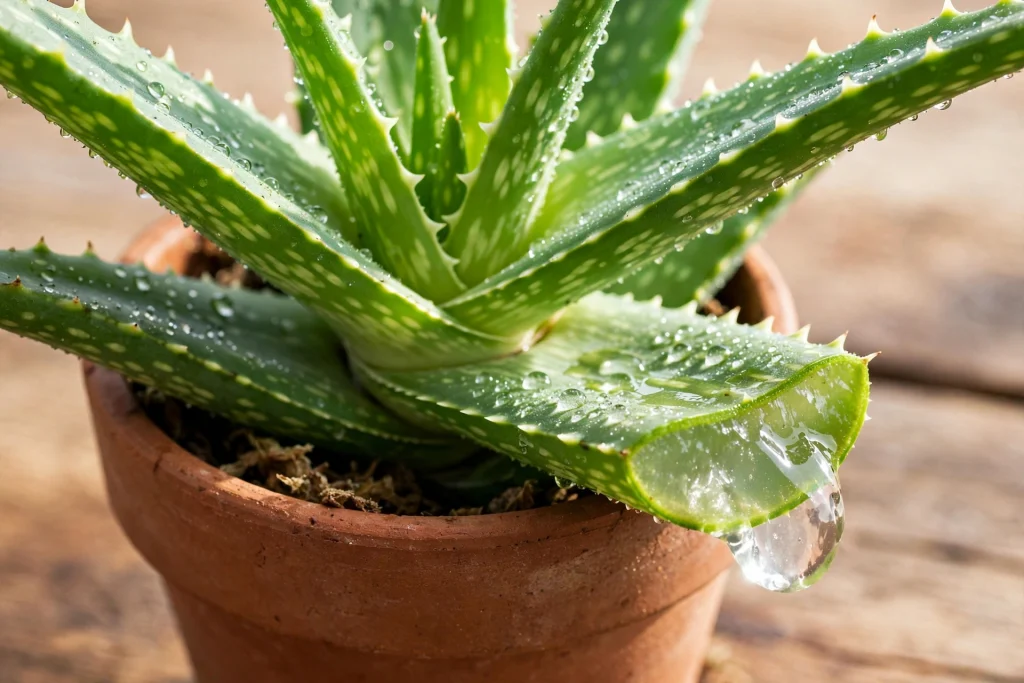
Aloe vera is the best skin herb in our herbal remedies list with uses. It is a thick, green plant that stores clear gel in its leaves. It is very easy to grow in a pot at home.Aloe vera gel has made my skin very clear. I have used it myself – every night I apply fresh aloe vera gel on my face for 15 minutes and then wash it, it makes my skin soft, clean and glowing.
Common uses:
- Sunburn: The cool gel gives a soothing feeling on the skin.
- Small burns: It is used on very mild burns after cooling them with water.
- Dry skin: It makes the skin soft and fresh.
- Hair care: Many people use the gel as a hair mask for smooth hair.
- Skin after shaving: It gives a calm feeling on the skin.
How to use:
- Fresh gel: Cut one leaf, wash it, and take out the clear gel with a spoon. Apply a thin layer on clean skin.
- Hair mask: Apply the gel on your scalp and hair for 30 minutes. Then wash well.
Care: Do a small patch test on your arm first. Wash off the yellow juice near the leaf skin, because it can irritate. Do not eat aloe vera without proper advice, because it can upset the stomach.
8. Neem
Neem is a bitter but powerful tree in the herbal remedies list with uses. In many places, it is called the “village pharmacy.” Its leaves, bark, and oil are all used in traditional care.
Common uses:
- Skin problems: Neem is used for pimples and dry or itchy skin.
- Hair and scalp: Neem water is used to wash the scalp.
- Mouth care: Neem twigs are used in many places to clean the teeth.
- Home use: Neem leaves are kept in cupboards and storage to keep insects away.
- Clean skin: Neem face packs are used for oily skin.
How to use:
- Neem face pack: Grind fresh neem leaves into a paste and mix with a little gram flour. Apply for 10 minutes and wash.
- Neem wash: Boil a handful of leaves in water. Let it cool and use it to wash the skin or hair.
Care: Neem is very bitter and strong. Do not drink neem juice for a long time. Pregnant women and small children should avoid it. People who are trying to have a baby should ask a doctor first. Never use neem oil by mouth.
9. Giloy (Guduchi)
Giloy is a special climbing plant in the herbal remedies list with uses. It has green heart-shaped leaves and a thick stem. In traditional care, it is used to support the body’s natural defense.
Common uses:
- Immunity support: People use giloy to help the body during weather changes.
- Daily wellness: It is used as a tonic in traditional care.
- Seasonal tiredness: Some people use it when they feel weak and tired.
- Traditional use: It has been used for a very long time in home remedies.
How to use:
- Giloy tea: Boil a small piece of the fresh stem in a cup of water for 10 minutes. Strain and drink.
- Giloy powder: Take a very small pinch of the powder with warm water, only after asking an expert.
Care: Giloy needs extra care. People with autoimmune problems should not use it. People with diabetes, or people who take medicine for blood sugar, should ask a doctor first. Pregnant women should avoid it. Do not take it for a long time or in large amounts, because some people have had liver problems with too much use.https://harbelremedies.com/2026/09/26/what-are-herbal-remedies/
10. Clove (Laung)
Clove is a small but strong spice in the herbal remedies list with uses. It looks like a tiny dark nail. It has a very strong smell and taste, so only a very small amount is needed.
Common uses:
- Toothache: Clove is the most famous home remedy for tooth pain.
- Bad breath: Chewing one clove can give a fresh mouth.
- Cough and sore throat: It is added to tea for comfort in cold weather.
- Gas and heavy stomach: A small amount is used in tea to support the stomach.
- Cold days: It gives warmth to the body.
How to use:
- Clove tea: Boil 2 cloves in a cup of water for 5 minutes. Add honey and drink it warm.
- For toothache: Hold one whole clove gently near the sore tooth for a short time. Then see a dentist as soon as possible.
- In food: Add a few cloves to rice, tea, or curry.All items
Care: Never put pure clove oil directly on the gums. It is very strong and can burn. Always mix it with a carrier oil and ask a dentist. Do not give clove oil to children. People who take blood-thinning medicine should be careful.
Herbal Remedies List with Uses at a Glance:
| Herb | Best For | Easy Way to Use |
|---|---|---|
| Tulsi | Cough, cold, calm mind | Fresh leaf tea |
| Ashwagandha | Stress, rest, energy | Powder in warm milk |
| Turmeric | Body pain, skin, cold | Turmeric milk |
| Ginger | Nausea, sore throat, gas | Ginger tea with honey |
| Peppermint | Digestion, fresh breath | Fresh mint tea |
| Chamomile | Sleep, calm, stomach | Tea before bed |
| Aloe Vera | Sunburn, dry skin, hair | Fresh gel |
| Neem | Pimples, scalp, oily skin | Leaf paste or wash |
| Giloy | Immunity support | Stem tea (with advice) |
| Clove | Toothache, bad breath | Clove tea or one whole clove |
This quick table makes your herbal remedies list with uses easy to remember. You can print it and stick it inside your kitchen cupboard.
Which Herb Is Best for Which Problem?
Here is a simple guide to use your herbal remedies list with uses for common problems:
- Cough and cold: Tulsi, ginger, clove, turmeric
- Stress and worry: Ashwagandha, chamomile, tulsi
- Sleep: Chamomile, ashwagandha
- Stomach, gas, and bloating: Ginger, peppermint, chamomile
- Skin problems: Aloe vera, neem, turmeric
- Hair and scalp care: Aloe vera, neem
- Immunity support: Giloy, tulsi, turmeric, ginger
- Toothache and bad breath: Clove, peppermint
- Body pain and tiredness: Turmeric, ginger, ashwagandha
Remember, this guide is for small and common problems only. If the problem is strong or stays for many days, please see a doctor.
How to Use Herbs Safely:
Using your herbal remedies list with uses in the right way is very important. Herbs are natural, but natural does not always mean safe in every amount. Follow these simple rules:
- Start small: Use a small amount first and see how your body reacts.
- One herb at a time: If you use many new herbs together, you will not know which one caused a problem.
- Ask your doctor: If you are pregnant, breastfeeding, or taking regular medicine, always ask a doctor first.
- Be careful with children: Small children have sensitive bodies. Do not give them herbs without advice.
- Buy clean herbs: Choose fresh and clean herbs from a trusted place.
- Store well: Keep dried herbs in a dry, dark, closed jar.My Account
- Stop if there is a problem: If you get a rash, itching, or stomach pain, stop right away.
- Do not use for too long: Some herbs, like ashwagandha, giloy, and neem, need extra care and should not be used for a long time without advice.
How to Make a Simple Herbal Tea:
You can use many herbs from the herbal remedies list with uses to make tea. It is the easiest and most common way. Follow these steps:
- Boil one cup of clean water.
- Add one teaspoon of dried herb, or a small handful of fresh leaves.
- Cover the cup and wait for 5 to 10 minutes.
- Strain the tea.
- Add a little honey if you like.
- Drink it warm, not too hot.
A simple mixed tea: Boil 4 tulsi leaves, a small slice of ginger, and 1 clove in a cup of water for 5 minutes. Add honey. This warm drink is a favorite in cold weather.
A simple evening tea: Put one teaspoon of chamomile flowers and a few mint leaves in hot water. Cover for 5 minutes. This is a calm and light drink for the night.https://harbelremedies.com/10-most-powerful-herbs/
Common Mistakes to Avoid:
Many people make mistakes when they follow a herbal remedies list with uses. Please avoid these:
- Using too much: More is not always better. Too much of any herb can hurt the stomach or body.
- Stopping medicine: Never stop your doctor’s medicine and use only herbs.
- Using unknown plants: Use only the herbs that you know and trust. Some wild plants look the same but are not safe.
- Ignoring warning signs: If a problem is serious or lasts many days, see a doctor.
- Using old or dirty herbs: Old herbs with bad smell or fungus should be thrown away.
- Believing every claim: Herbs help the body, but they are not a magic cure for every disease.
How to Grow Herbs at Home:
Growing herbs is the best way to use your herbal remedies list with uses every day. You do not need a big garden. Tulsi, peppermint, and aloe vera grow well in small pots on a balcony, roof, or window.
Simple tips for growing herbs:
- Keep the pots in a place with good sunlight.
- Use good soil and make sure the pot has small holes for water to leave.
- Give water regularly, but do not give too much.
- Cut the leaves often, because this helps the plant grow more.
- Keep the plants clean and away from dirty water.
Fresh herbs from your own home are clean, cheap, and always ready. In the mountain areas of Gilgit-Baltistan, many families already grow mint and other herbs in their own gardens.
Tips to Get the Best Results:
To get the best result from your herbal remedies list with uses, be patient and regular. Herbs are gentle, so they take time. Use them every day for some days, not only one time.
A healthy lifestyle also helps a lot. Drink enough clean water, eat fresh food, sleep on time, and walk for at least 20 to 30 minutes every day. Herbs work best when your daily habits are also healthy.
A simple daily routine:
- Morning: A cup of warm ginger or tulsi tea.
- Afternoon: Fresh mint water or mint tea to help digestion after lunch.
- Evening: Turmeric milk or chamomile tea before bed.
You can change this routine according to your need. Keep a small notebook, and write which herb you used and how you felt. This will help you understand what works best for your body.https://harbelremedies.com/knee-pain-relief-2026/
Frequently Asked Questions:
What is a herbal remedies list with uses?
A herbal remedies list with uses is a simple guide that shows which herbs help with which health problems and how to use them at home.
Which herb from the herbal remedies list with uses is best for immunity?
Tulsi, turmeric, ginger, and giloy are the most popular herbs for supporting the body’s natural defense. Giloy needs extra care, so ask an expert before using it.
Is it safe for children?
Children have small and sensitive bodies. Please ask a doctor before giving anything from a herbal remedies list with uses to a child.
How long do herbs take to work?
Herbs are gentle, so they usually take some days of regular use. Some small problems, like gas after food, may feel better sooner.
Can I use more than one herb together?
Yes, many people mix tulsi, ginger, and clove in one tea. But start with one herb first and see how your body feels. Do not mix strong herbs like ashwagandha, giloy, and neem without advice.
Can herbs cure serious diseases?
No. Herbs can support your body in small and daily problems. For serious diseases, always follow your doctor’s treatment.
Conclusion
In short, a herbal remedies list with uses is a great tool for every family. It helps you take care of small health problems in a simple, lowcost, and natural way.
The ten herbs in this herbal remedies list with uses (Tulsi, Ashwagandha, Turmeric, Ginger, Peppermint, Chamomile, Aloe Vera, Neem, Giloy, and Clove) are easy to find and easy to use. Each one has its own special benefit. Some are best for cough and cold, some for stress and sleep, and some for skin, hair, and teeth.
Save this herbal remedies list with uses and share it with your family and friends. Start with one or two herbs today, use them in the right amount, be regular, and see a doctor when the problem is serious.
We hope this herbal remedies list with uses helps you and your family stay healthy in the natural way.
In my experience, these small herbs like Tulsi, Ginger, Mint and Aloe Vera are not just plants, they are like a small pharmacy at home.I have personally used all of them and I can say they really work if you use them regularly, not just for one or two days.They have no side effects like strong medicines, and they keep our body natural and healthy.So, in my opinion, everyone should grow at least 2 3 of these herbs in their home and use them in daily life.https://harbelremedies.com/20-powerful-medicinal-herbs/
The information on this website is for educational purposes only and is based on personal experience. It is not medical advice. Please consult your doctor or healthcare professional before trying any herbal remedy, especially if you have diabetes, high blood pressure, or any medical condition.